Lisa Tomczeszyn Artist Statement

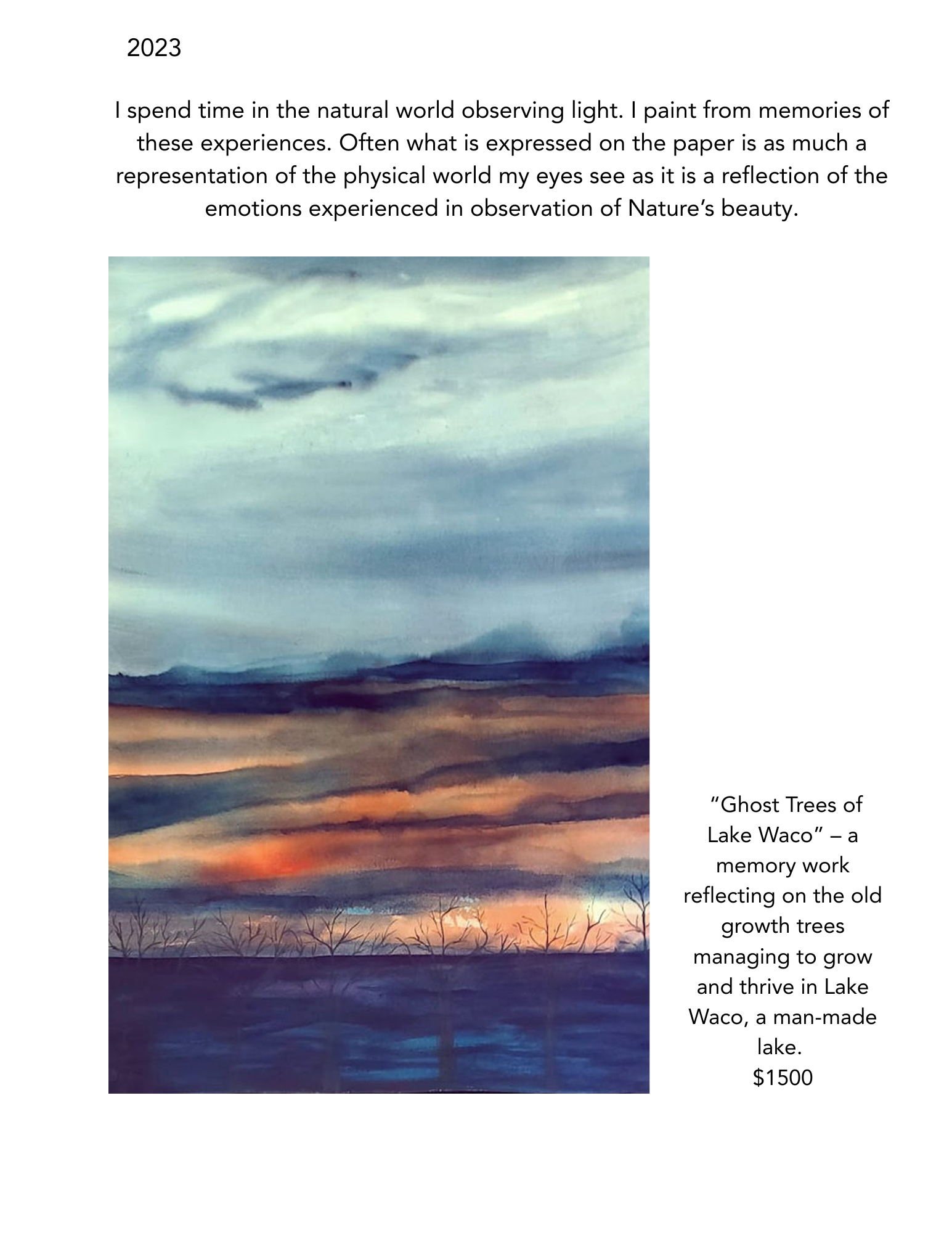
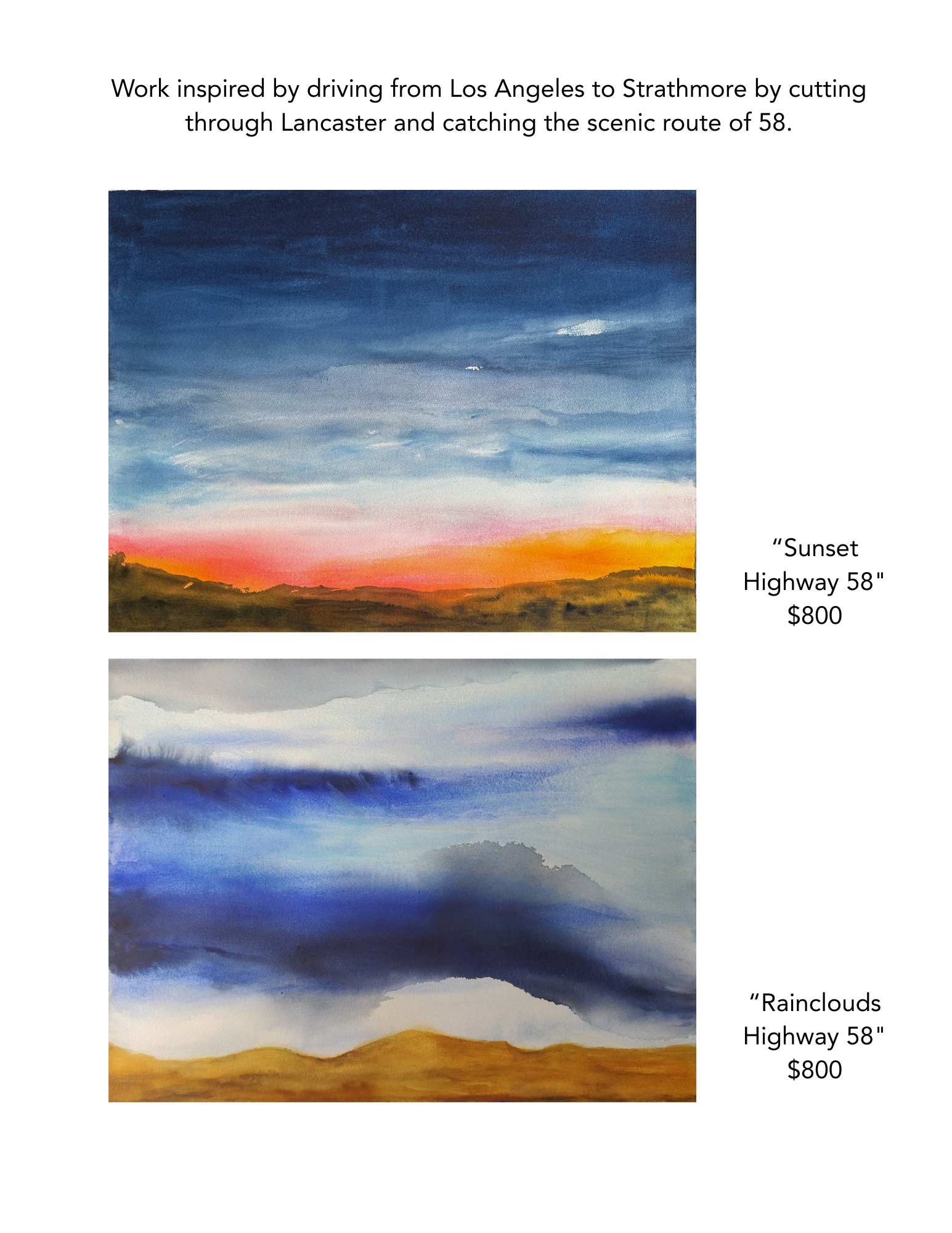
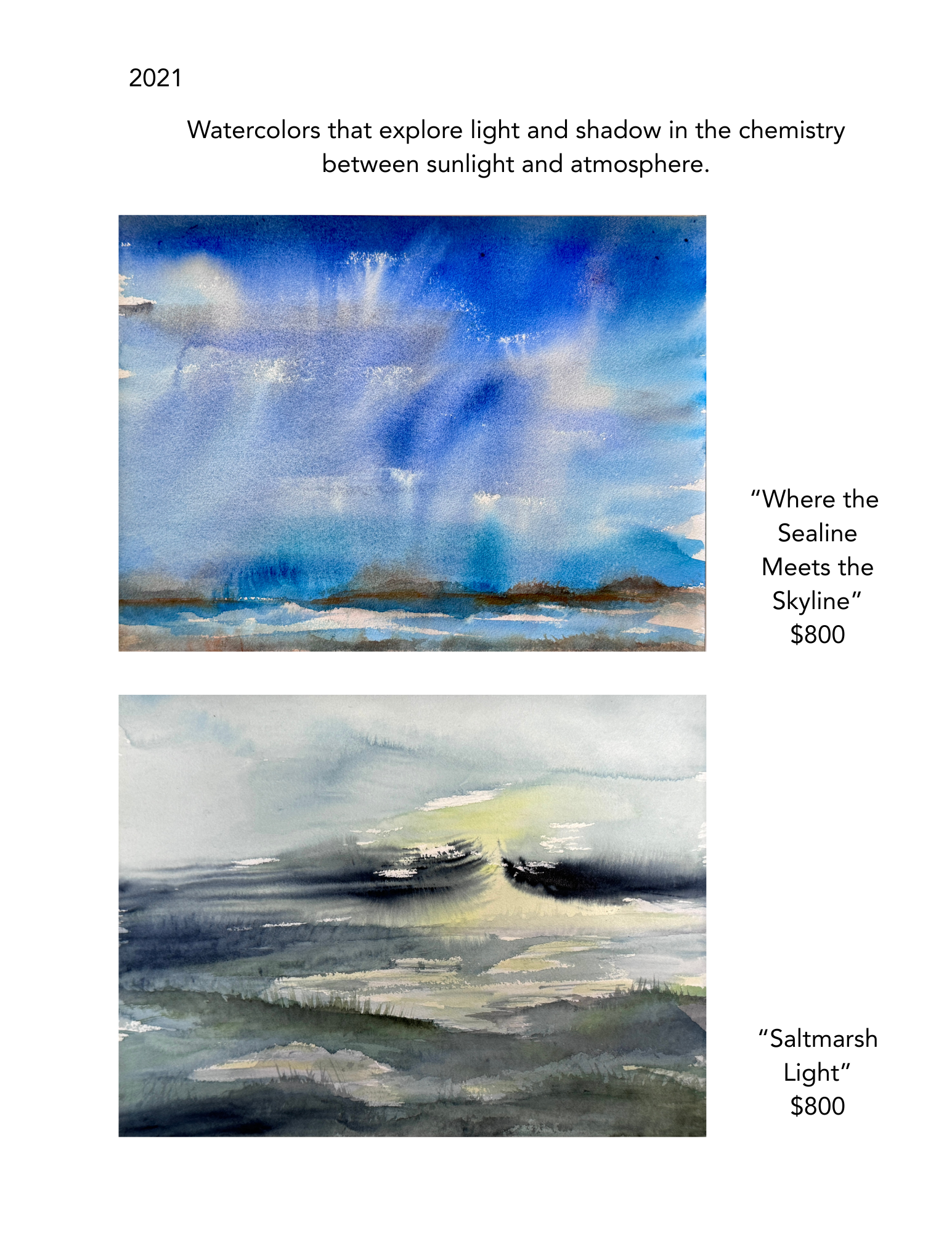
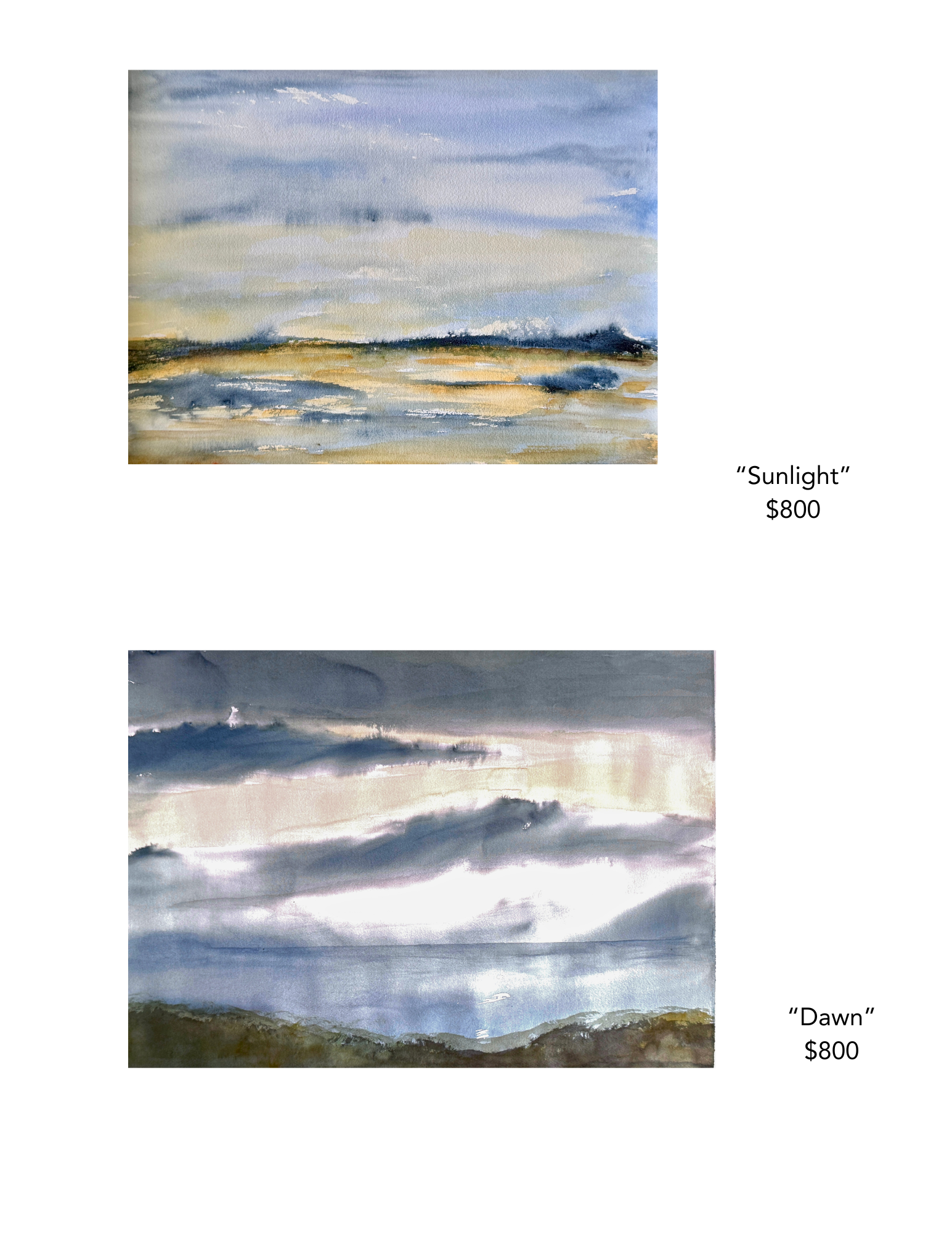
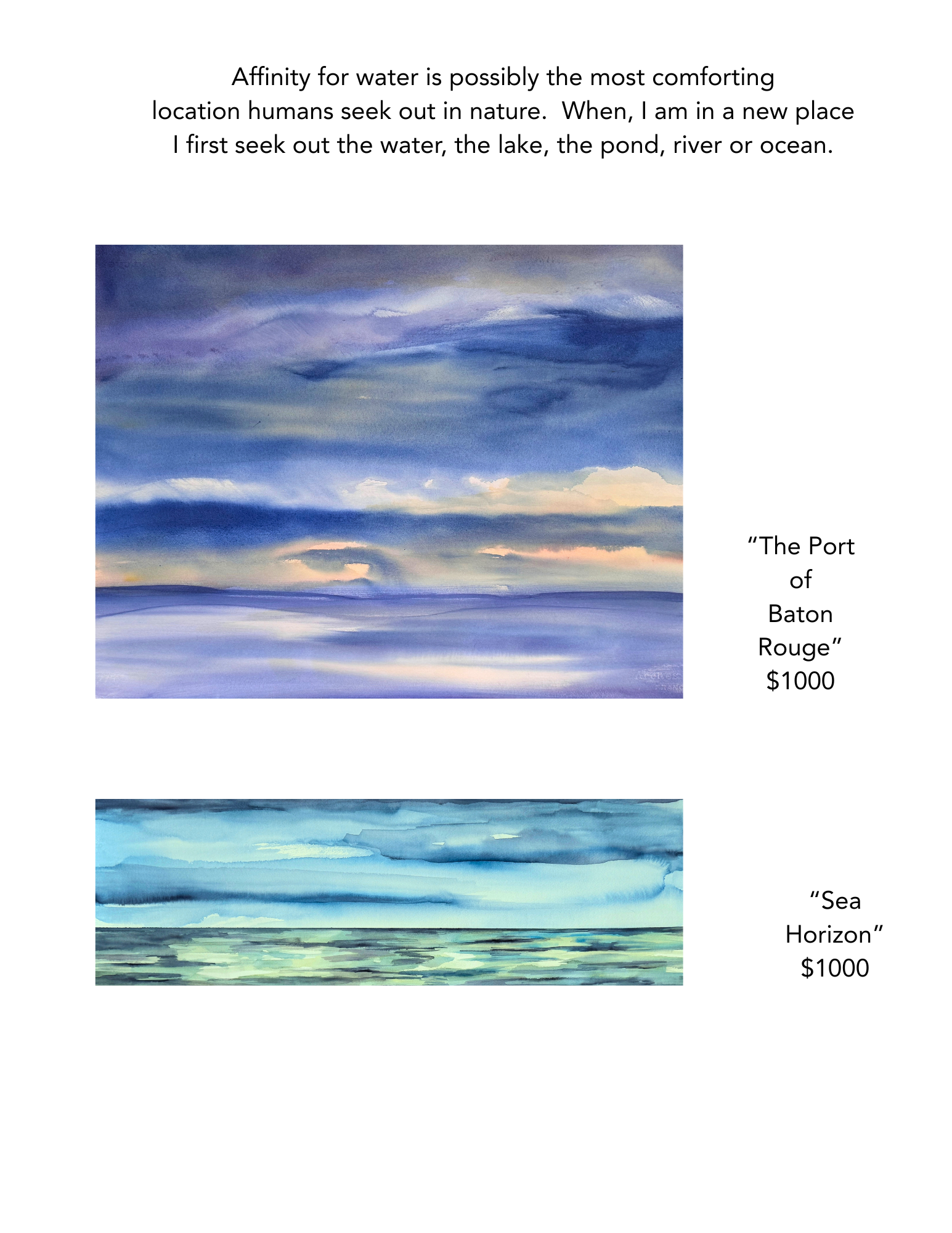
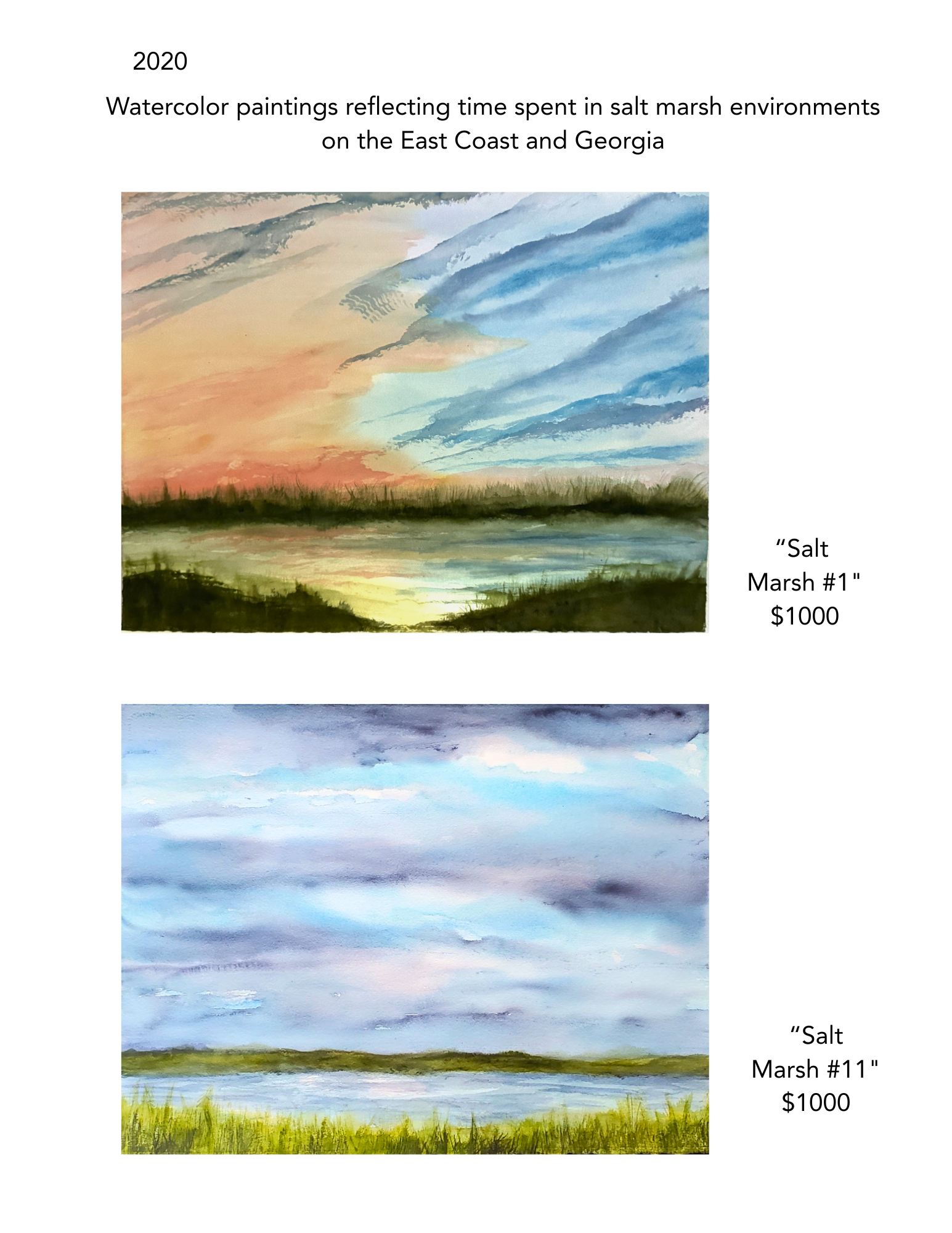
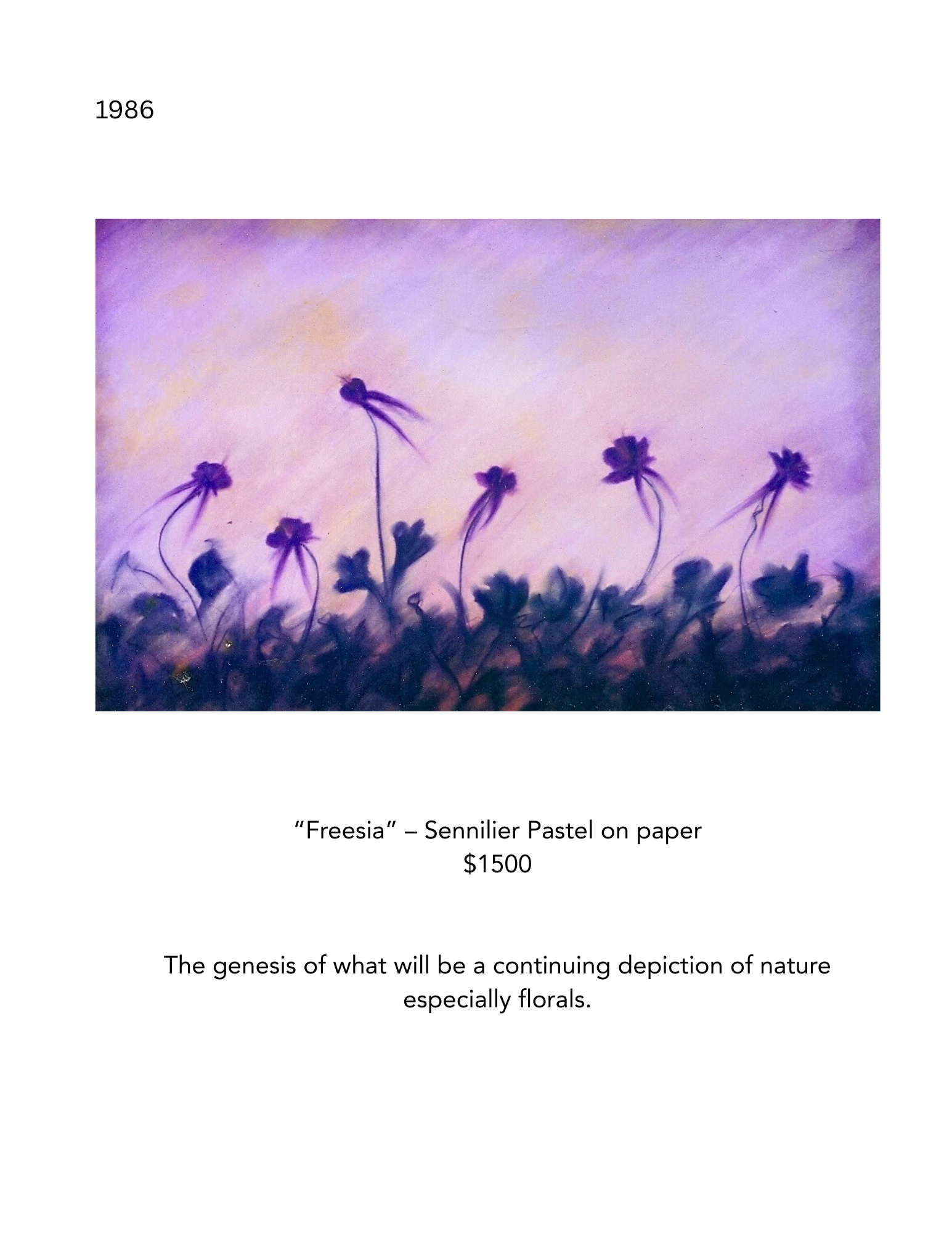
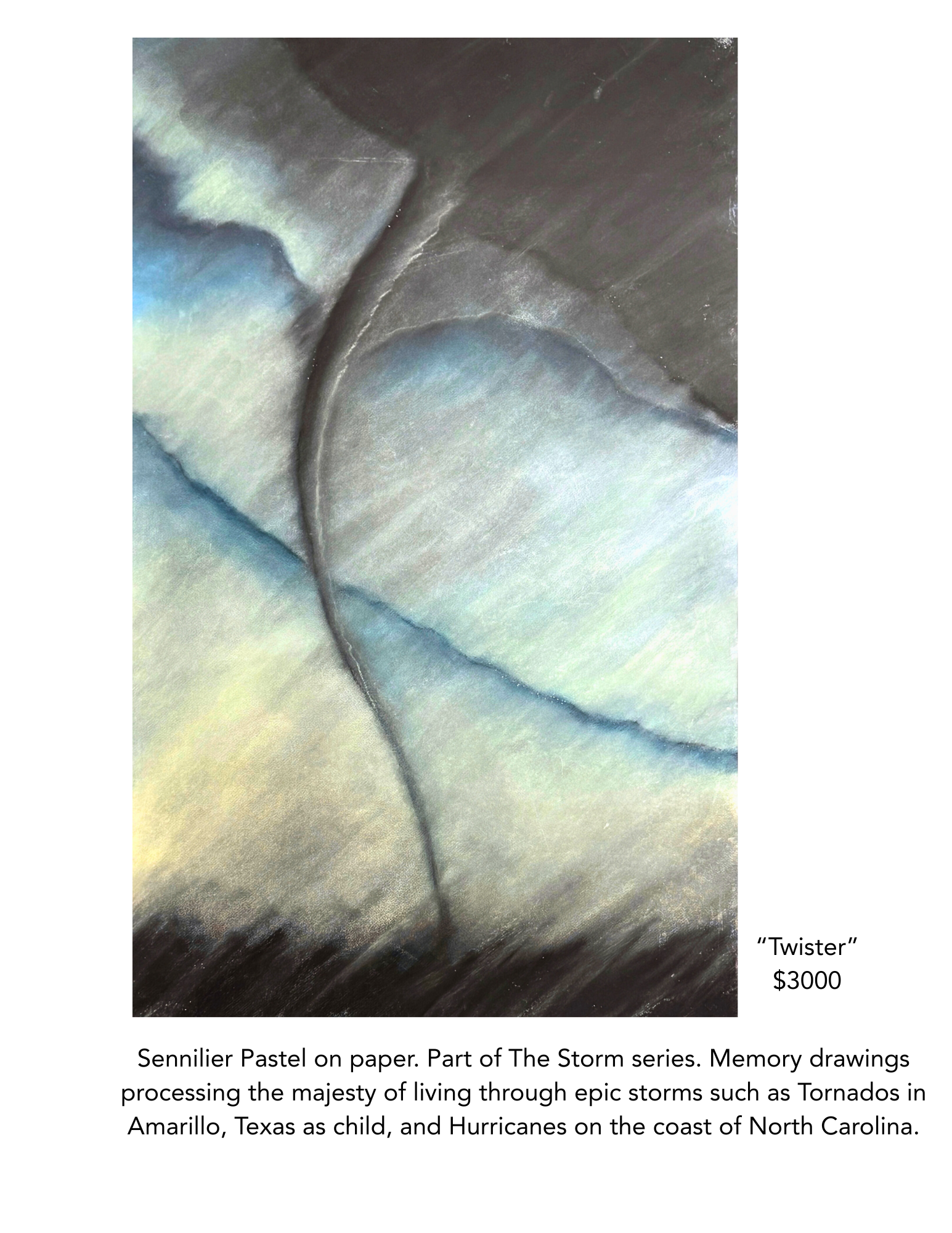
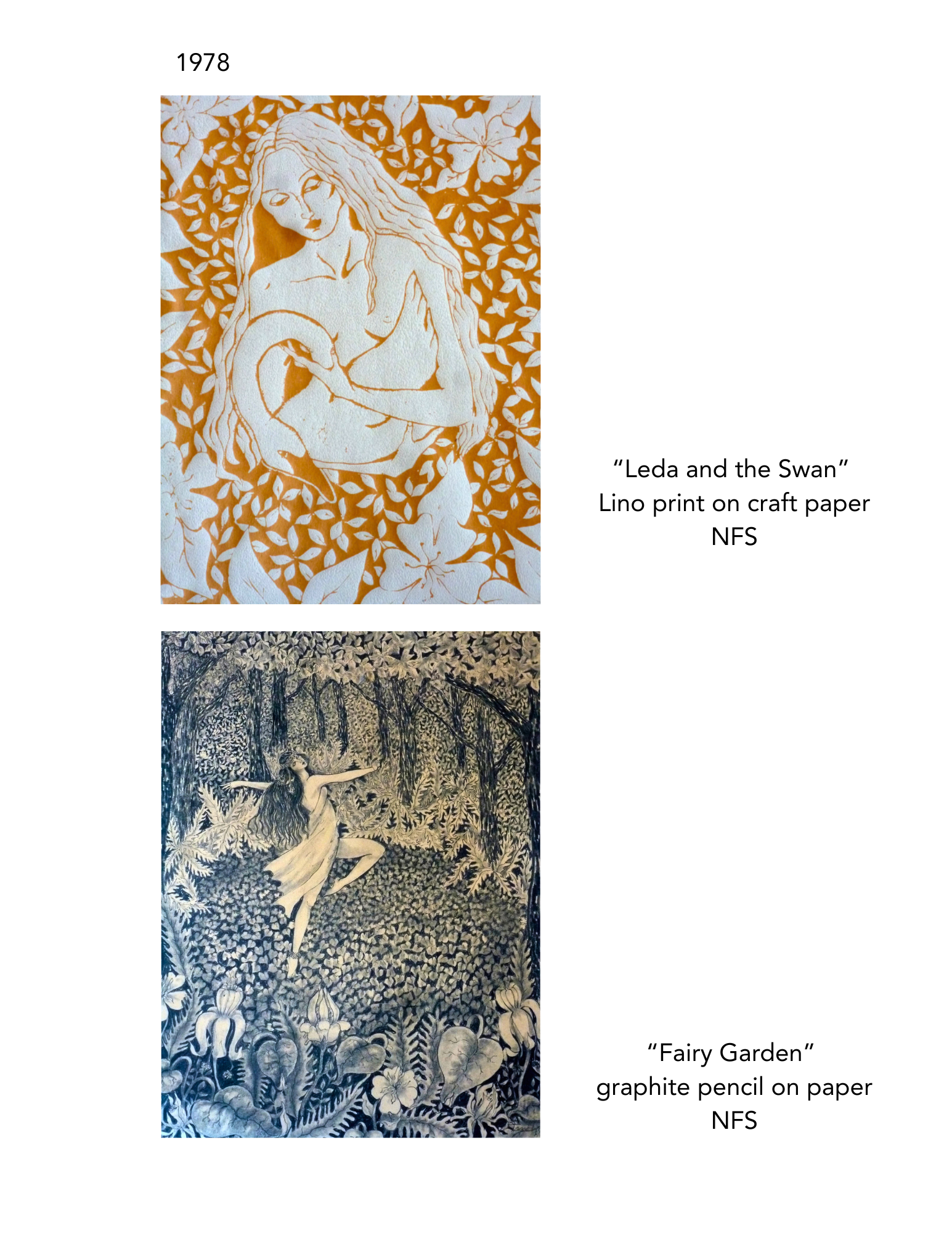
As a fine artist I create images that are memory impressions of my experiences in the beauty of the natural world.

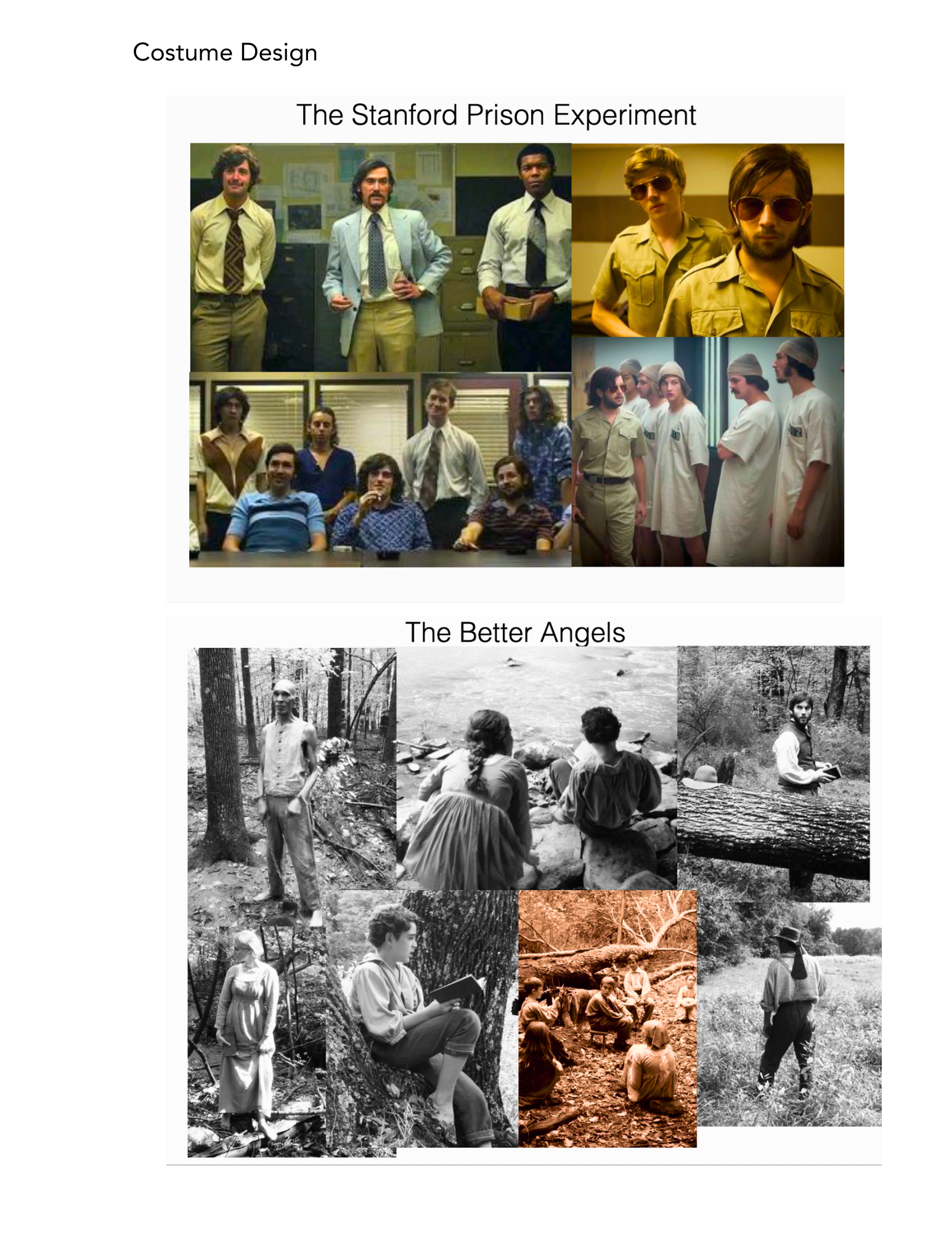
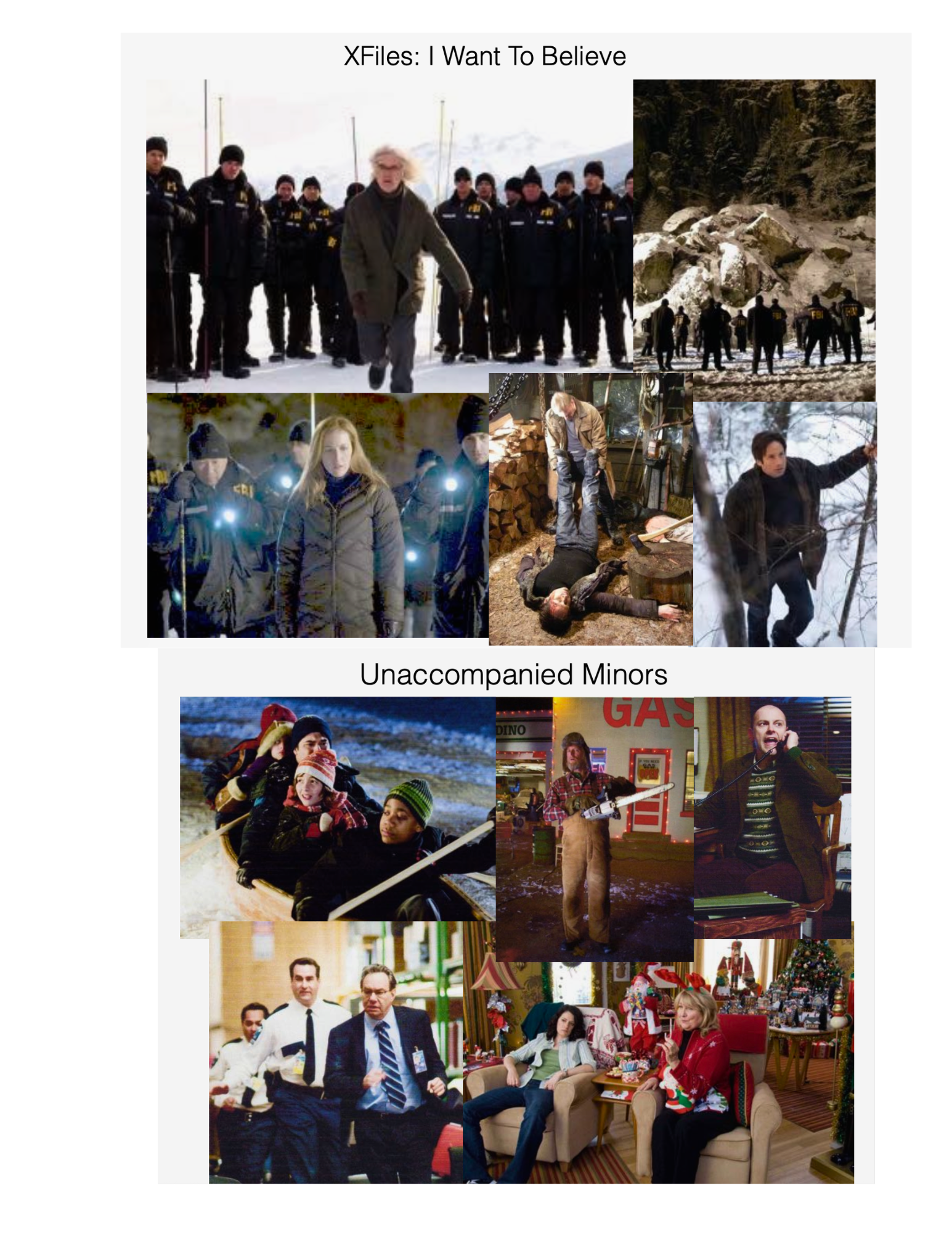
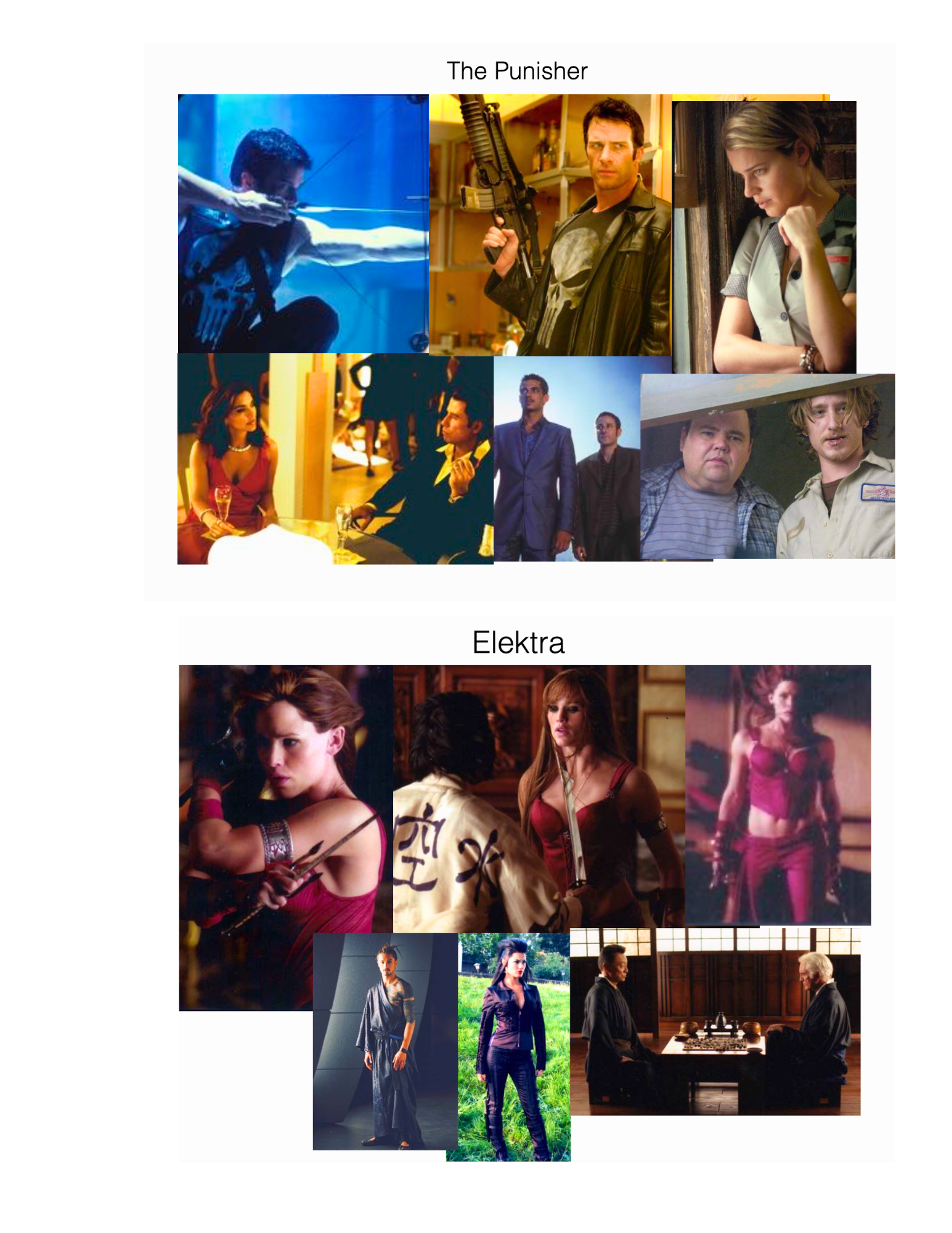
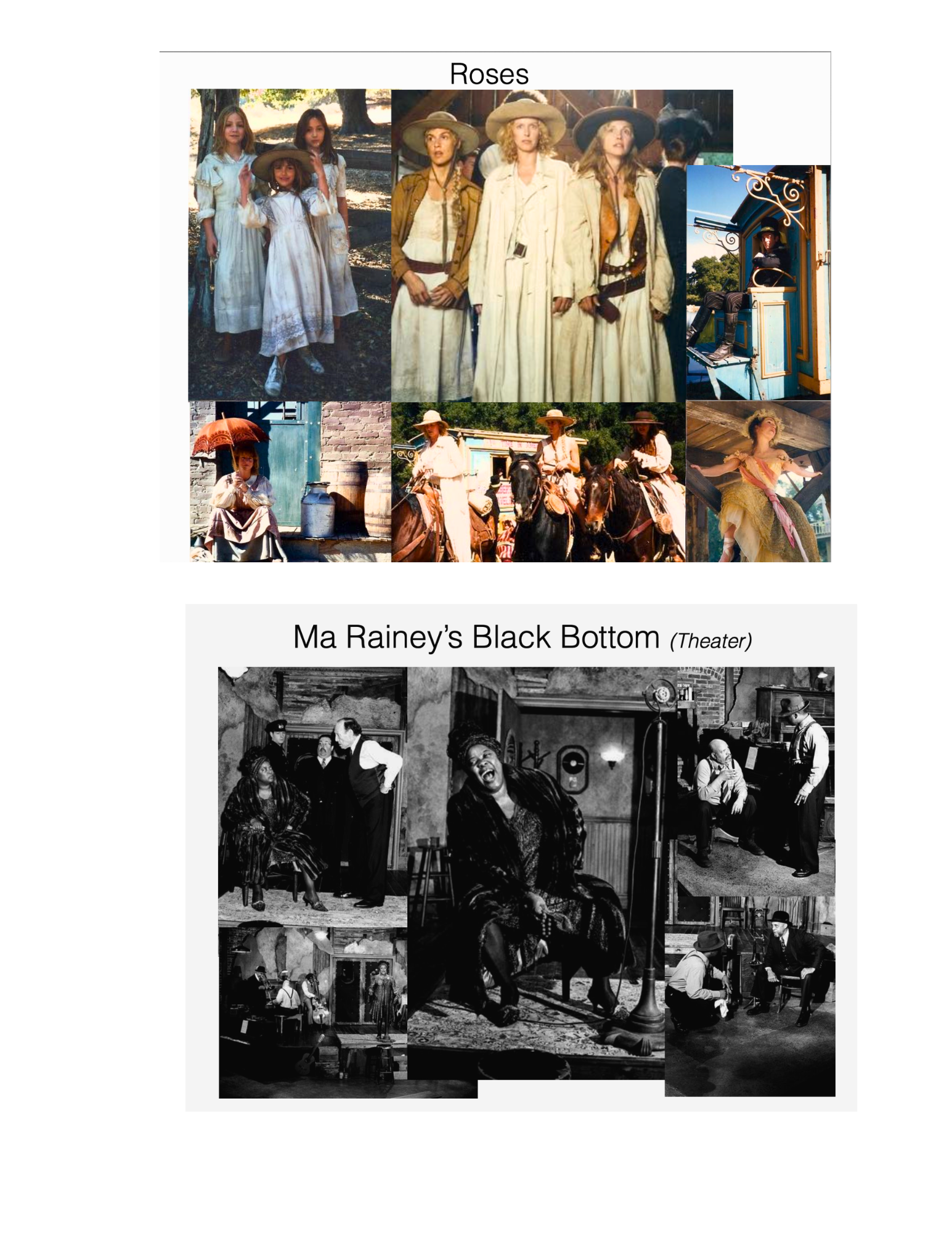
 As a costume designer, my job was to give an actor a toolbox to express the unspoken, visual persona of a character.

 Both are storytelling. 

 Artists are the chroniclers of human experiences.  The act of creating art is a uniquely human experience, it is an act that is not biologically necessary to sustain life, yet, from mankind’s origins, humans have recorded their personal histories with the creation of art.

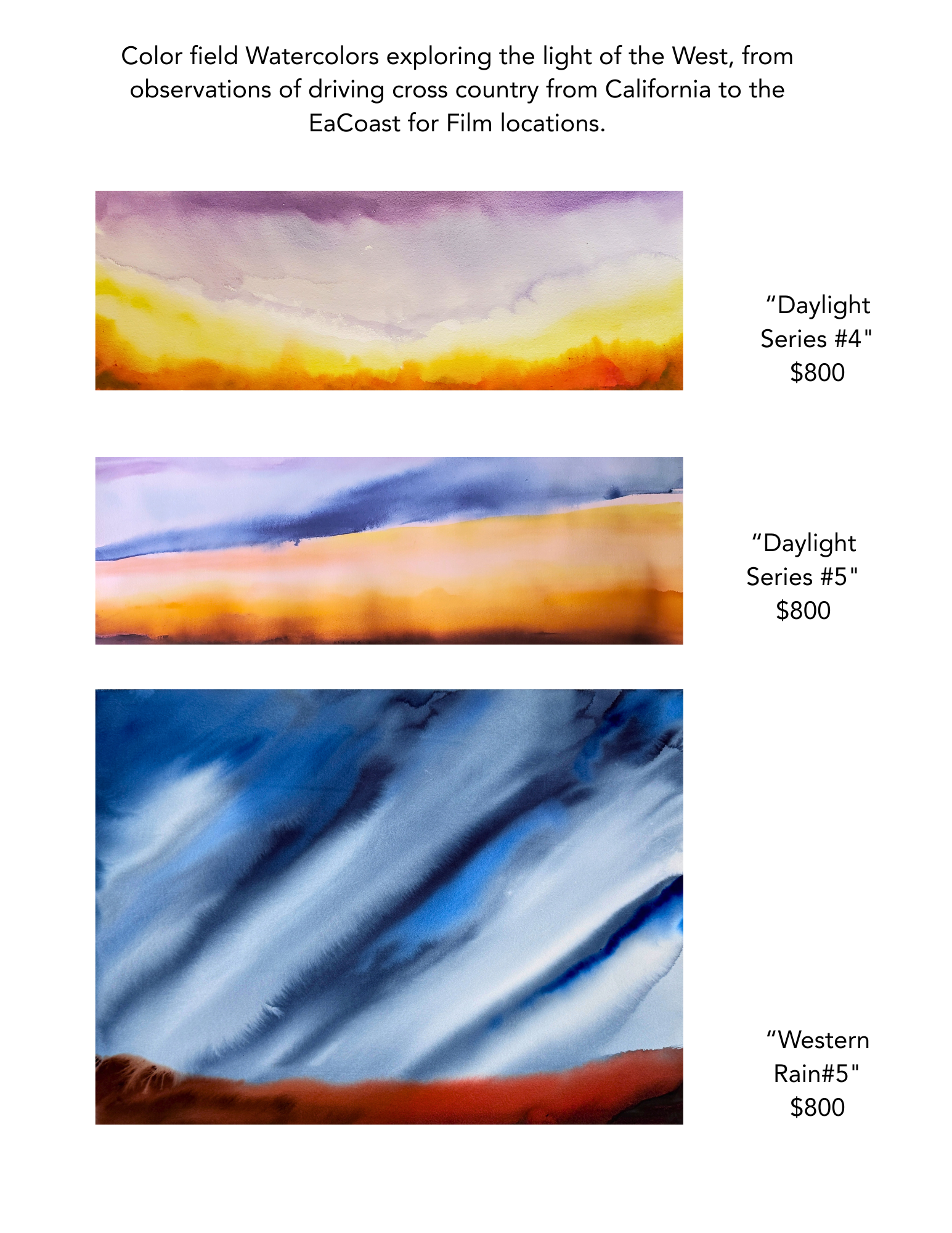
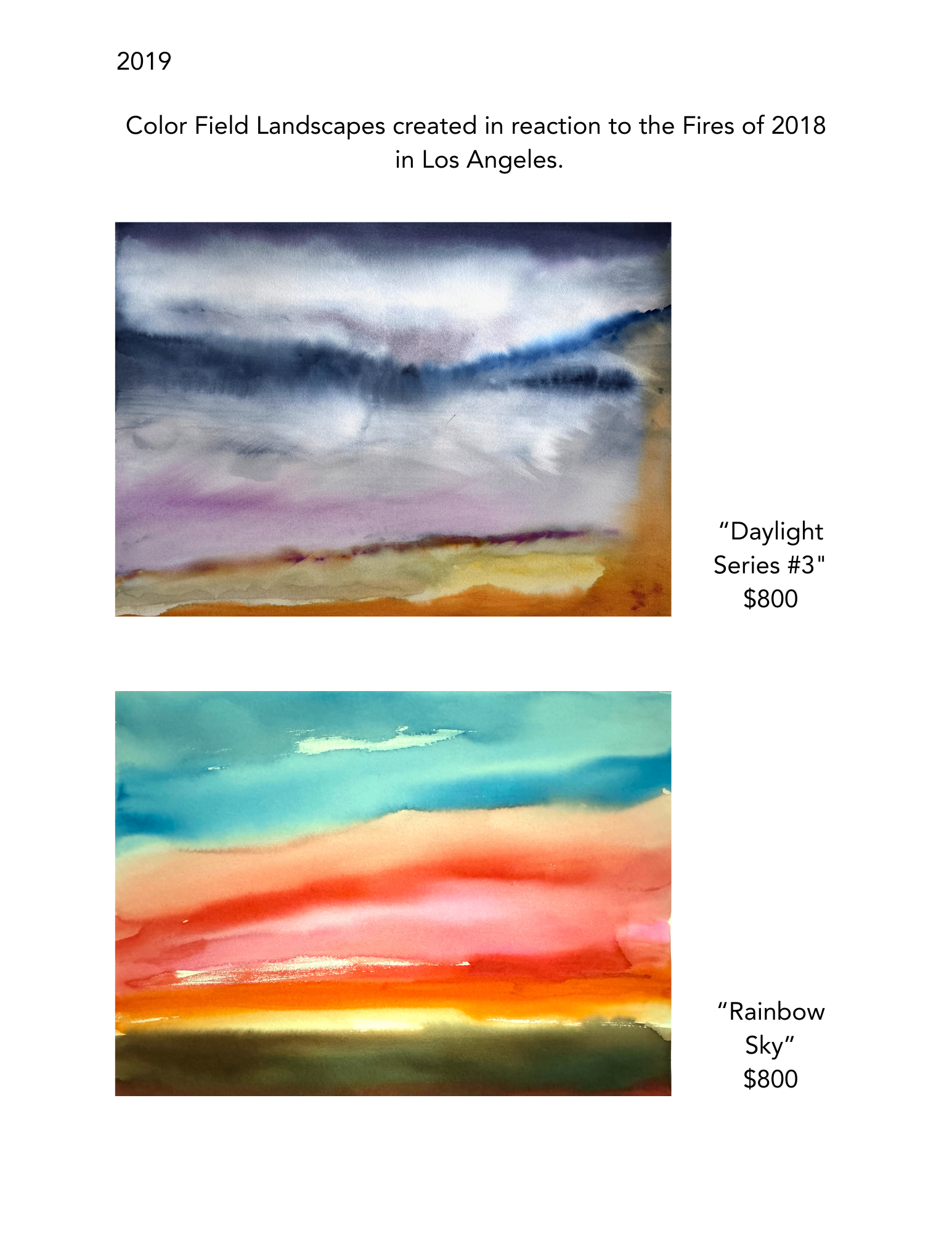
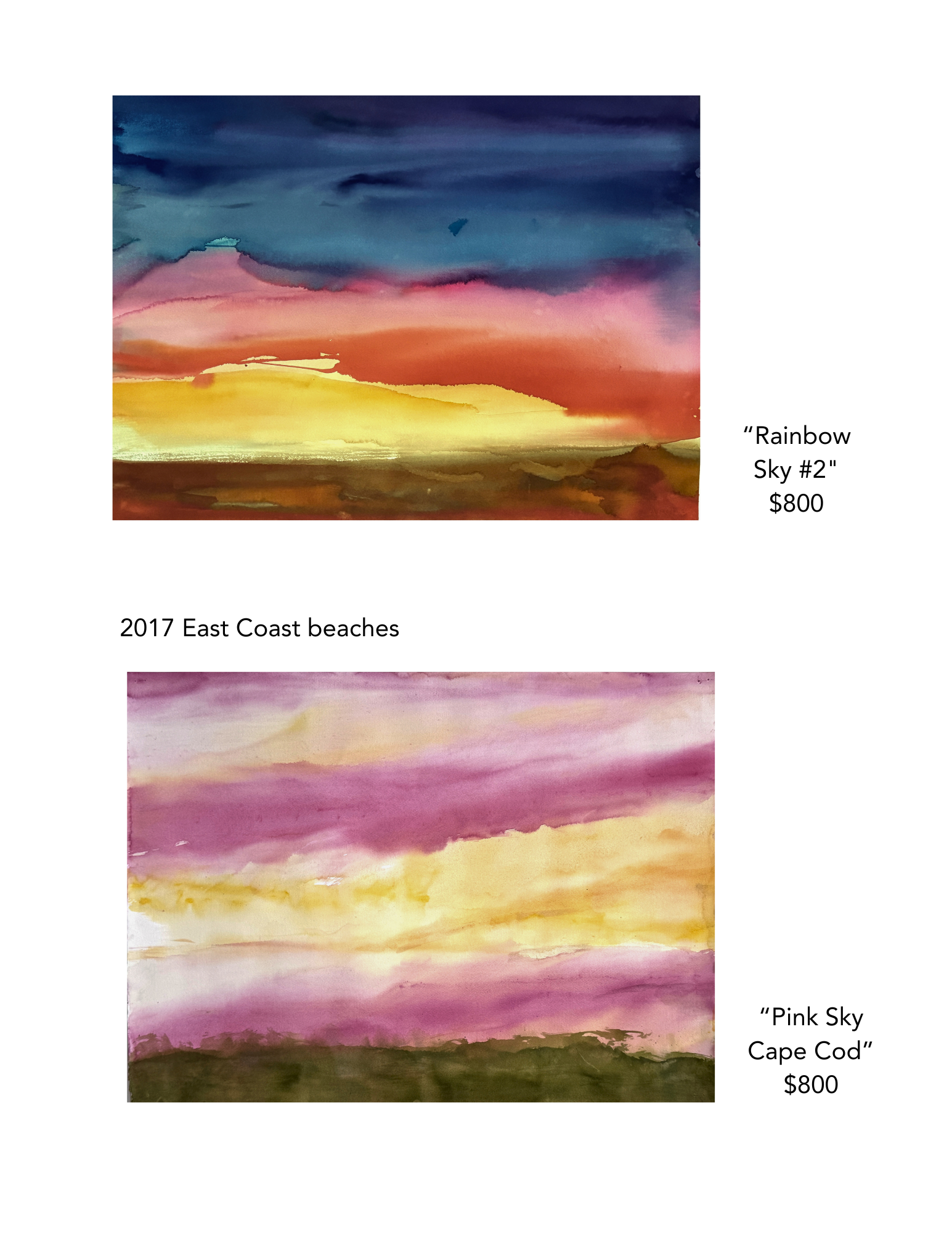
I feel that color has metaphorical weight. My work is always a reaction to the wild and the tame in the natural world, specifically the interactions between atmosphere, light, and the earth, and the histories of humankind’s relationships with the planet and themselves. 

 Art helps us make sense of the beautiful and the horrific act of living. My fine art practice is in constant response to current events and the wayward actions of humankind amid the natural rhythms of our planet.  

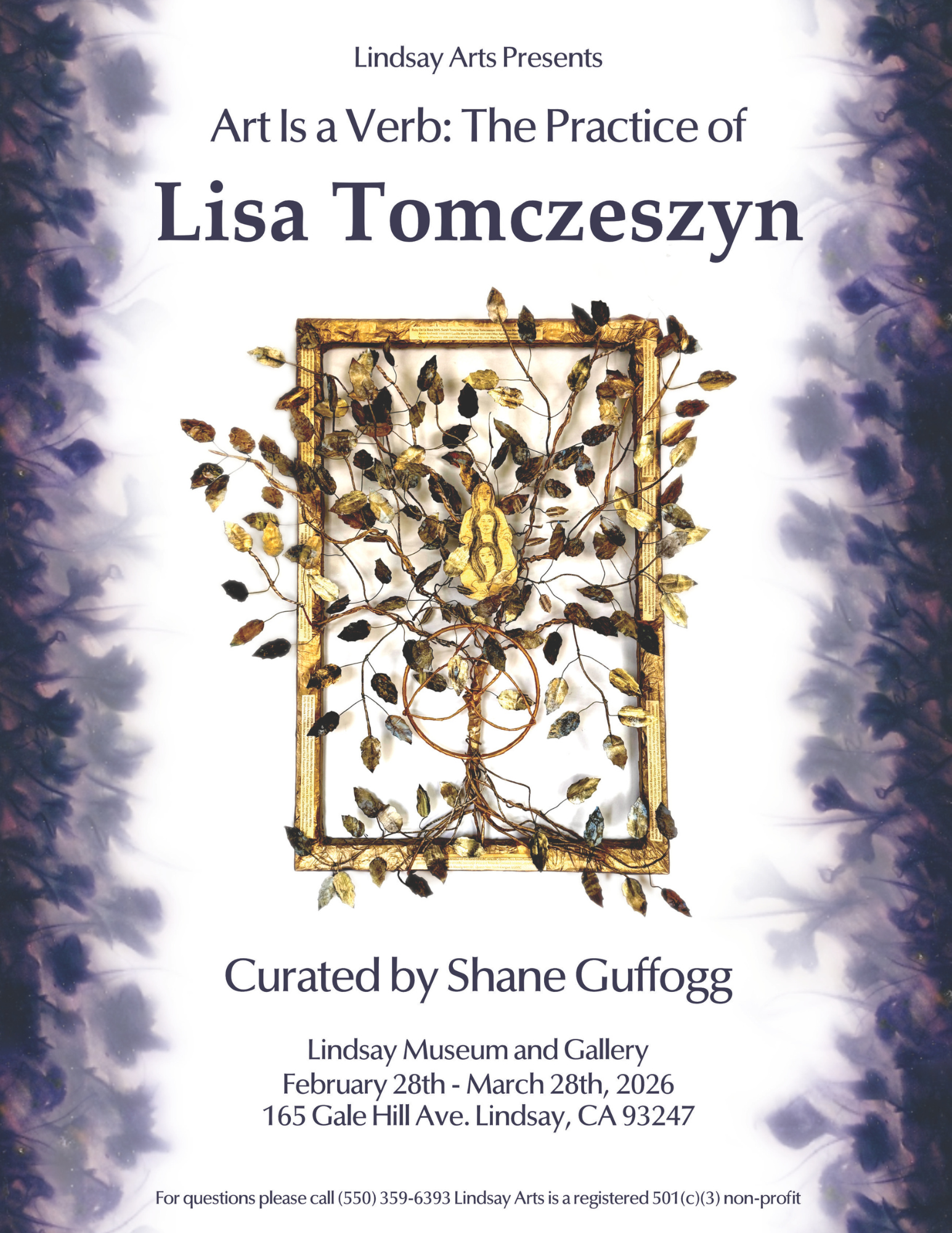
Lindsay Museum is proud to present Art is a Verb: The Practice of Lisa Tomczeszyn, a retrospective exploring the life and work of the multifaceted artist whose career spans fine art, theater, and major motion picture production. Curated by Shane Guffogg, the exhibition opens TBD and will feature early sketches, costume designs, archival materials, and recent sculptural works, culminating in pieces exploring personal identity, lineage, and the feminine divine.

To claim the title of artist requires conviction; to sustain a life of artistic practice requires discipline, courage, and an enduring commitment to seeing the world with clarity. Lisa Tomczeszyn’s career embodies this rare continuity.

Raised in Waco, Texas, Tomczeszyn’s earliest visual language was shaped by open land and expansive skies—an influence that continues to surface throughout her work. She began formal training at Parsons School of Design in New York City, later enrolling in the Fine Arts program at Southampton College, where she studied painting with Robert Mumford and lithography with Yoshi Higa. This period laid the foundation for a practice grounded in observation, material sensitivity, and spatial awareness.

Tomczeszyn later earned a master’s degree from the Yale School of Drama and returned to New York City to work as an assistant costume designer in theater before moving into major motion picture production. Her film credits include internationally recognized projects such as The Hunger Games and Spider-Man. These productions demand months on location, long workdays, and sustained creative focus, leaving little room for traditional studio practice.

Yet even within this demanding environment, Tomczeszyn never stopped making art. Watercolor became a vital and adaptable medium—portable, immediate, and responsive—allowing her to paint wherever work took her. Through watercolor, she developed a body of landscape work shaped by memory and experience, reflecting the flat expanses of her Texas upbringing alongside the transient environments of film production.

Created during rare moments of quiet, these works capture ponds, reeds, skies, and open land with restraint and clarity. They function as meditations on place and stillness, offering a counterbalance to the intensity of large-scale filmmaking and reaffirming painting as an essential, sustaining practice.

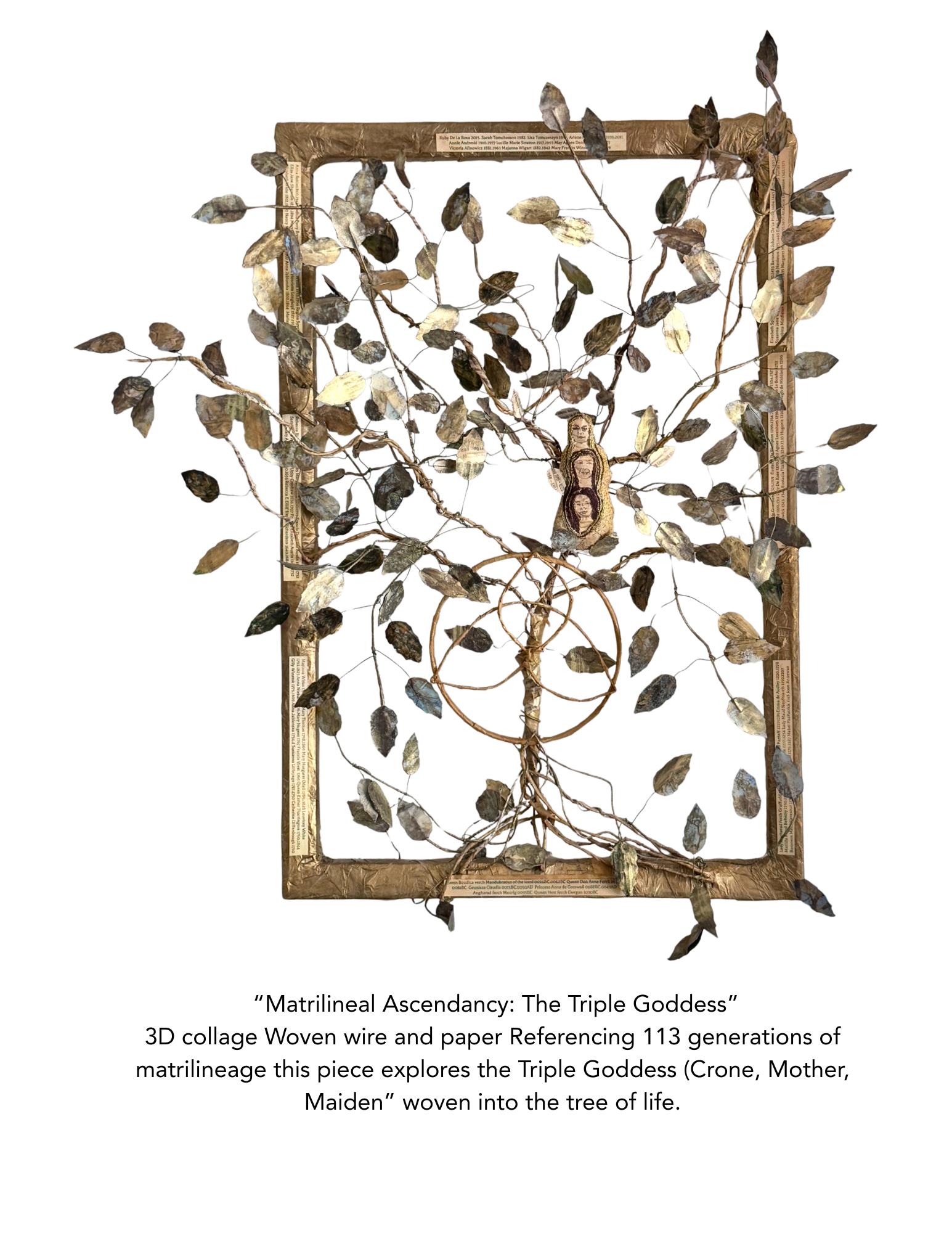
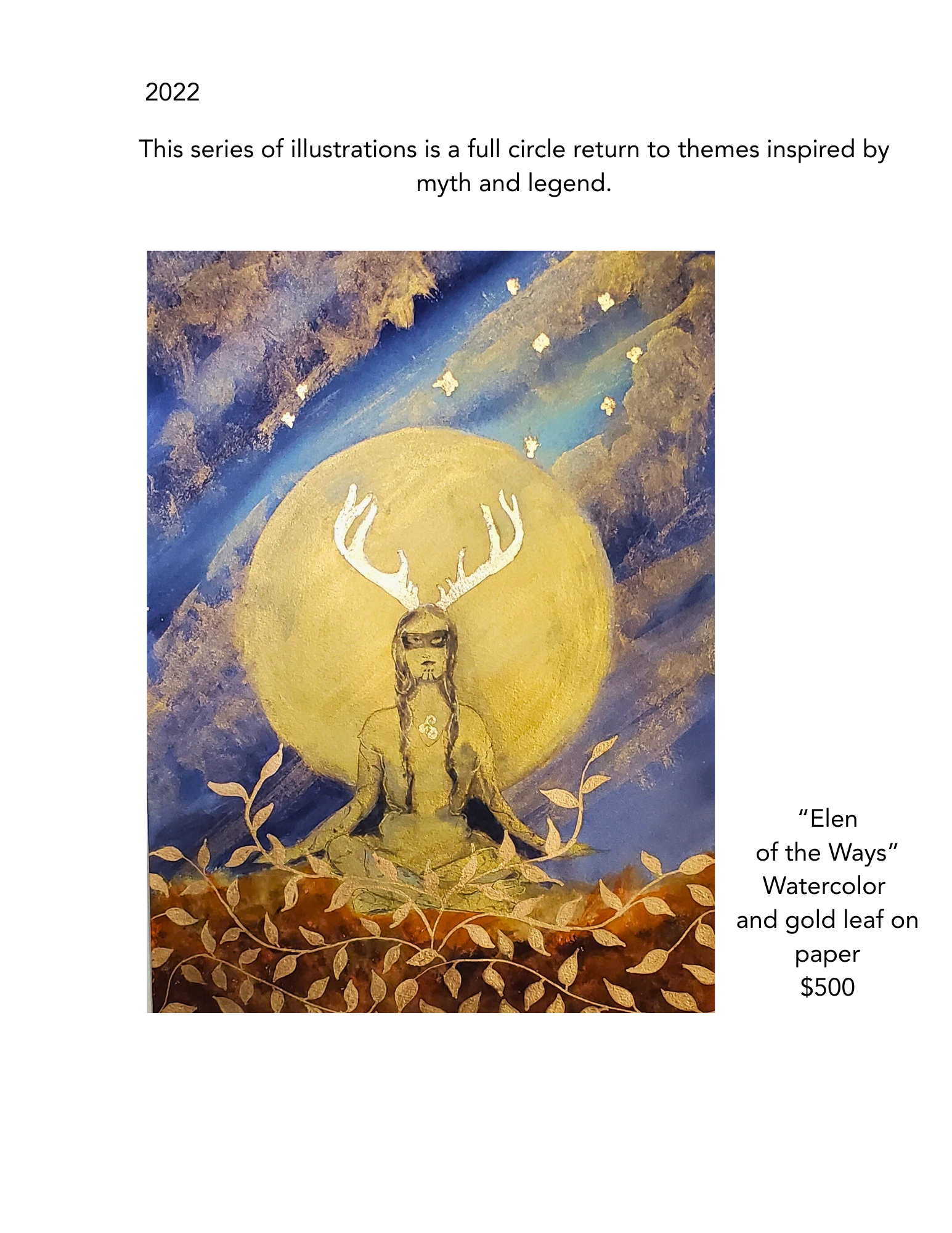
Now retired from film, Tomczeszyn has returned fully to the studio. These retrospective traces her professional career from its beginnings to her most recent work, culminating in new sculptural pieces including Matrilineal Ascendancy: The Triple Goddess, a powerful meditation on womanhood and ancestral inheritance.

Lisa Tomczeszyn lives and works in Los Angeles.